

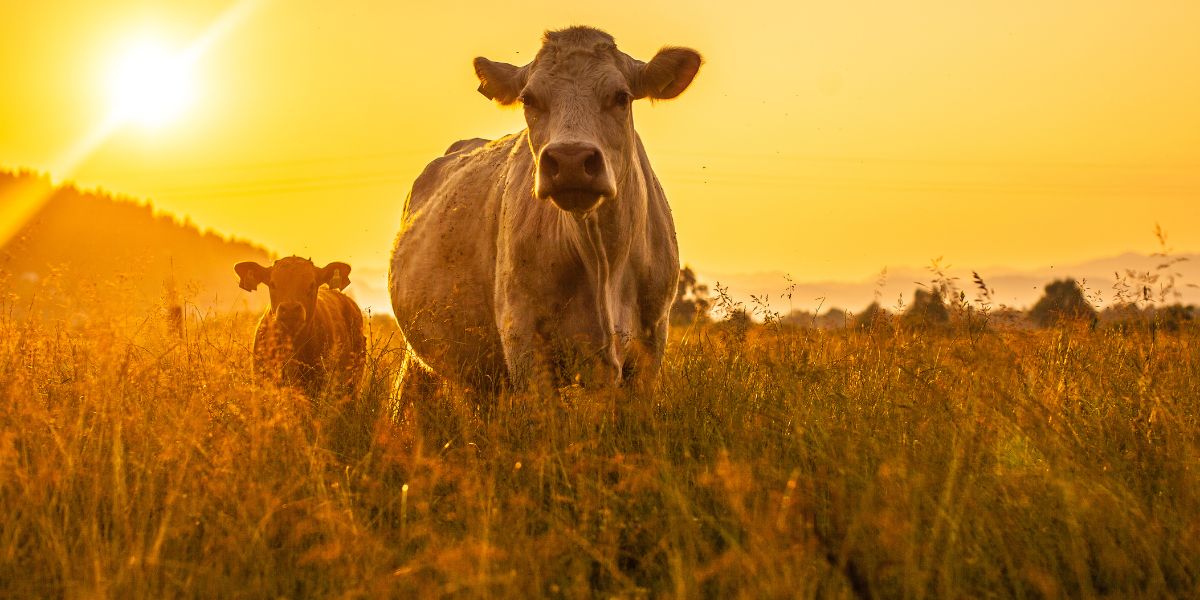
Livestock activity is one of the main sources of food production worldwide, providing meat, milk and other derived products to millions of people. However, fierce competition among producers can be a great challenge for those seeking to excel in the market.In this article, we will explore the main obstacles faced by livestock farmers and how they can overcome them to achieve success in livestock activity. Come with us on this journey!
The importance of livestock farming
Livestock farming is one of the oldest and most important in the world.It plays a key role in producing food for the global population by providing animal protein in different forms such as meat, milk and dairy.In addition, the sector employs millions of people worldwide and contributes significantly to the economy.
In Brazil, for example, livestock is one of the main economic activities of the country. The Brazilian cattle herd adds more than 232 million heads and is present in virtually all states of the federation.
Livestock farming can also be important in land management and environmental preservation when done sustainably. Proper animal husbandry can help control invasive plants that threaten natural pastures while avoiding overuse or land damage.
For these reasons, we cannot underestimate the relevance of livestock farming to our society and our planet as a whole.
The main challenges of livestock farming
Livestock farming is one of the main sources of food production worldwide.However, just like any other commercial activity, it faces several challenges that need to be overcome to ensure its sustainability.
One of the biggest challenges of livestock farming is the environmental issue. Intensive animal husbandry can lead to soil and water contamination, as well as other environmental problems such as deforestation and excessive emission of greenhouse gases.
Diseases can spread rapidly among animals raised in large quantities, causing financial harm to producers and public health risks.
With the increased demand for healthier and more sustainable foods, many consumers have opted for vegetarian or vegan alternatives instead of traditional beef or pork.
Finally, there are also the economic issues involved in livestock activity: from variations in grain prices used in feed to government policies that directly affect the productive sector.
All these factors show that animal husbandry is not an easy task, but it is exactly these challenges that make this activity so important for our society today.
Competition in livestock farming
Livestock activity is one of the bases of the Brazilian economy, but it is also a sector that faces great challenges. One of these challenges is the fierce competition among rural producers.
Beef producers have to deal with competition not only among themselves, but also with other types of animal protein, such as chicken and fish.In addition, the production of plant foods for human consumption can be seen as an indirect form of competition for land and natural resources.
Another important factor in competition within livestock activity is the fluctuations in cattle prices in the international market.This means that producers need to always be aware of market fluctuations and seek innovative ways to maintain their profitability even in difficult times.
In addition, there is also a growing concern about animal welfare and the environmental impacts caused by livestock activity.Therefore, many companies have invested in more sustainable practices to stand out from the competition.
In summary, competition in livestock activity is intense and requires producers acute managerial skills to ensure their survival in the market. Those who can better adapt to market changes and implement effective strategies will have better chances of success in the long run.
Conclusion
Given the challenges faced by livestock activity, it is important to emphasize that fierce competition can be overcome with strategic planning and investments in technology. In addition, the search for new consumer markets can be an opportunity for expansion for rural producers.
Livestock activity has great importance in the brazilian and world economy, being responsible for the production of essential food to the population. However, the difficulties faced by producers require effective and innovative measures to ensure business success.
Thus, it is essential that all those involved in the sector are aware of market changes and seek creative solutions to deal with the challenges imposed by competition. Only then will it be possible to maintain the competitiveness of livestock activity in the face of the increasingly demanding demands of the modern world.



