

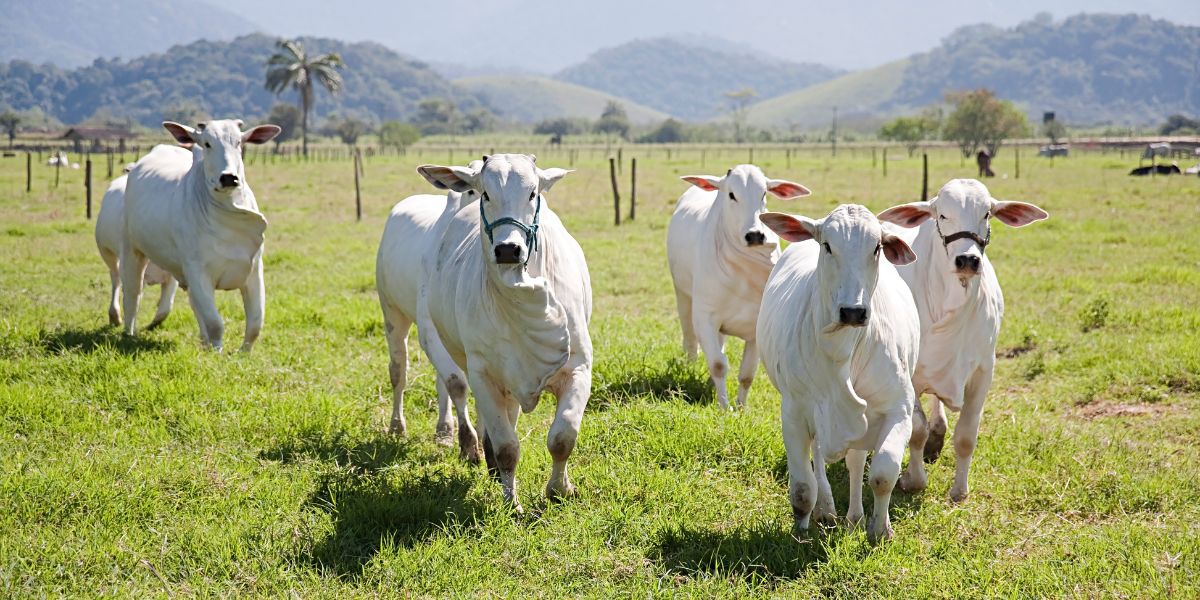
The identification of animals is a fundamental practice in livestock, because it facilitates the management of the herd and allows greater control of production processes. But when it comes to large herds, this task can be even more challenging! In this article, we will explore the methods used for animal identification, its advantages and disadvantages and the main challenges faced by farmers when managing huge amounts of animals. Follow us on this journey through the universe of modern livestock!
Methods used for animal identification
Currently, there are several methods for identifying animals in livestock. Among the most traditional are iron marks and tattoos. These systems consist of applying a symbol or number on the animal through heat or the insertion of pigments into the skin, respectively.
Another approach is the use of numbered earrings that are placed on the ears of animals. This method is quite popular because it is practical and visually easy to identify. In addition, there are also necklaces with numbered plates, which act as a kind of “colleira” around the neck of animals.
With technological advances in the agricultural sector, even more efficient and modern options for tracking and controlling herds have emerged. The subcutaneous electronic chip is an example of these innovations: a small capsule implanted under the skin of the animal containing unique information about it. This system allows not only individualized identification but also facilitates the collection of data related to production and herd health.
Finally, we can mention biometric techniques such as animal facial recognition and skin pattern analysis, used mainly in scientific research for their accuracy in the individual identification of the animals studied.
Advantages and disadvantages of the methods used
The identification of animals in large herds is essential for the management of livestock.There are several methods used by producers, each with its advantages and disadvantages.
The most traditional method is the use of numbered or colored earrings. In addition to being accessible and easy to put, they are visible from a distance, making it easier to identify the animal. However, earrings can easily get lost or even cause injury to the animal.
Another option is the use of subcutaneous microchips.This method allows an accurate and permanent reading of the code assigned to the animal, in addition to not interfering with the aesthetics of cattle.However, its application requires specific technical knowledge and appropriate equipment.
The use of facial biometrics has been a promising alternative for the individual identification of animals in large herds.The technology uses cameras with algorithms that recognize the unique facial characteristics of cattle. The system allows a quick reading and no physical contact with the animals, but its cost is still high.
Finally, there are also GPS-based systems that allow monitoring the location of animals through the geographic coordinates transmitted by devices installed in the collars of cattle. Despite this allow a constant monitoring by the technical team responsible for the management of the herd in real time via smartphone or computer connected to the internet there are problems such as frequent need to change the batteries of these devices.
Each farmer should evaluate which method best fits his needs and goals, ensuring the correct identification of the animals in his herd.
Challenges in identifying animals in large herds
Identifying and monitoring animals in large herds is essential for proper livestock management.However, this task can be challenging due to the large number of animals that need to be identified and monitored.In addition, there are other challenges involved in this process.
One of the main challenges in identifying animals in large herds is the use of inefficient or inaccurate methods. Ear tags can be lost or damaged easily, while fire marks are painful for animals and can affect their meat at the time of slaughter.
Another problem faced by ranchers is the difficulty in quickly identifying each animal during handling. This can happen when some animals have similar characteristics to each other, such as coat color or size.
In addition, there is often no standardized system of identification between different farms and regions of the country. With this, it is difficult to compare data on a particular animal over time.
Finally, another major obstacle is the lack of accessible technologies capable of assisting in the identification of animals on a large scale. Devices such as electronic chips are expensive and not always available to all Brazilian farmers.
It is necessary to seek innovative solutions that allow greater agility in the management of Brazilian cattle herds to ensure a more efficient and sustainable production in our country.
Conclusion
In conclusion, the identification of animals in large herds in livestock is a constant challenge for producers. The most used methods such as earrings and tattoos have advantages and disadvantages that should be considered at the time of choice.
However, the advancement of technology has enabled new forms of identification such as the use of electronic chips, facial recognition and DNA. These alternatives have shown promise in increasing the efficiency and accuracy of the process.
It is important that producers carefully review the available options before deciding which method to use in their herd. The best choice will depend on the specific characteristics of the animal and the individual needs of the producer.
In any case, the correct identification of animals is fundamental to ensure their traceability, health and well-being.And this can only be achieved through a responsible and conscious approach on the part of breeders.



