

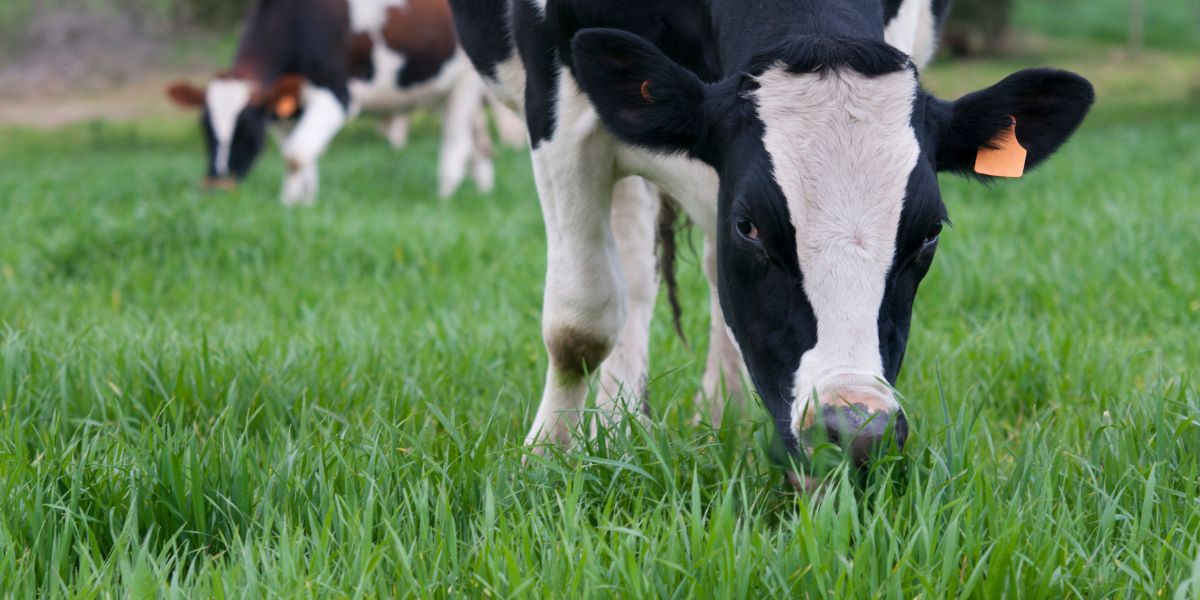
Welcome to our blog about livestock and the environment! Today we will talk about a very important topic for food production: soil. Soil quality is essential to ensure a healthy and sustainable livestock, but climate change has negatively impacted this valuable resource. In this post, you will find out how climate change affects the soil and learn some strategies to minimize these impacts.Come on?
The importance of soil for livestock
The soil is one of the most important natural resources for livestock.It is responsible for providing the nutrients necessary for the growth of vegetation that serves as food for animals.In addition, it also acts as physical and biological support for plants and animals in the ecosystem.
Soil quality directly influences pasture productivity and consequently the production of meat or milk from animals. A healthy soil contains a great diversity of living organisms such as bacteria, fungi and worms that help decompose organic matter and release essential nutrients to plants.
However, many agricultural practices have negatively contributed to soil health, such as the excessive use of pesticides, chemical fertilizers and intensive monocultures.This rampant exploitation has led to the loss of soil biodiversity and decreased water retention capacity.
Therefore, it is important to adopt sustainable practices that promote the improvement of soil quality. The adoption of crop rotation can help in the natural control of pests, thus reducing the excessive use of chemical pesticides; the proper use of pesticides can also avoid damaging or killing beneficial microorganisms present in the soil.
In short, ensuring good soil management is critical not only to maintaining healthy livestock but also preserving it in the long term making it a renewable and sustainable resource.
Climate change and its impact on the soil
Climate change has been an increasingly discussed topic in recent years, and the impacts of these changes not only affect the climate itself, but also the quality of soil for livestock.
In addition, heavy and frequent rainfall can also be a consequence of climate change.This extreme variation in climate can cause soil erosion, making it less able to sustain healthy and nutritious pastures for livestock.
Another important factor is that climate change also influences the availability of groundwater, since this water source represents about 90% of the water need of brazilian livestock. The lack of this source can cause losses to animal and plant production in regions affected by drought.
Understanding these impacts is essential for developing strategies to minimize their negative effects on soil quality for livestock. This includes practices such as appropriate use of available water resources through efficient irrigation and drainage techniques; care for soil health through organic fertilization; correct application of pesticides; rational use of natural resources for future preservation among other important measures.
This way it will be possible to ensure that the sector can continue to contribute positively to the national economy without compromising its future development.
What can be done to minimize the impacts of climate change on soil quality?
To minimize the impacts of climate change on soil quality for livestock, it is necessary to adopt sustainable practices that help preserve the environment.
One option is to invest in agroecological production systems, which aim to reduce the use of chemical inputs and increase biodiversity in production systems. Organic agriculture can also be an interesting alternative, as it uses techniques that respect the environment and promote a healthy soil.
Another important measure is to perform an adequate management of water resources, avoiding waste and using more efficient technologies in water management. In addition, it is essential to implement good soil management practices, such as crop rotation and no-tillage, to maintain their fertility and prevent erosion.
The adoption of clean energy can also contribute significantly to minimize the impacts of climate change on soil quality.The use of renewable sources such as solar energy or biomass can help reduce emissions of greenhouse gases into the atmosphere.
Finally, environmental awareness must be present at all stages of livestock activity. It is important to involve farmers in educational programs on environmental sustainability and encourage more responsible practices with regard to the environment.
Conclusion
In short, climate change presents significant challenges for soil quality and, consequently, for livestock. Understanding the impacts of these changes is crucial to ensure that the sector remains sustainable and productive. Fortunately, several strategies can be adopted by farmers and governments in order to minimize these impacts.
Investing in research and development of agricultural practices more resilient to climate change is fundamental in this process. In addition, measures such as recovery of degraded areas, crop rotation and integrated management of natural resources are some of the possible solutions that can contribute to maintaining soil quality in an increasingly uncertain scenario.
Addressing climate change issues requires collective efforts among farmers, government, academia and civil society. Together we can work towards Brazilian soil conservation (precising animal and human health 'AS while preparing appropriately for the challenges posed by the future.



