

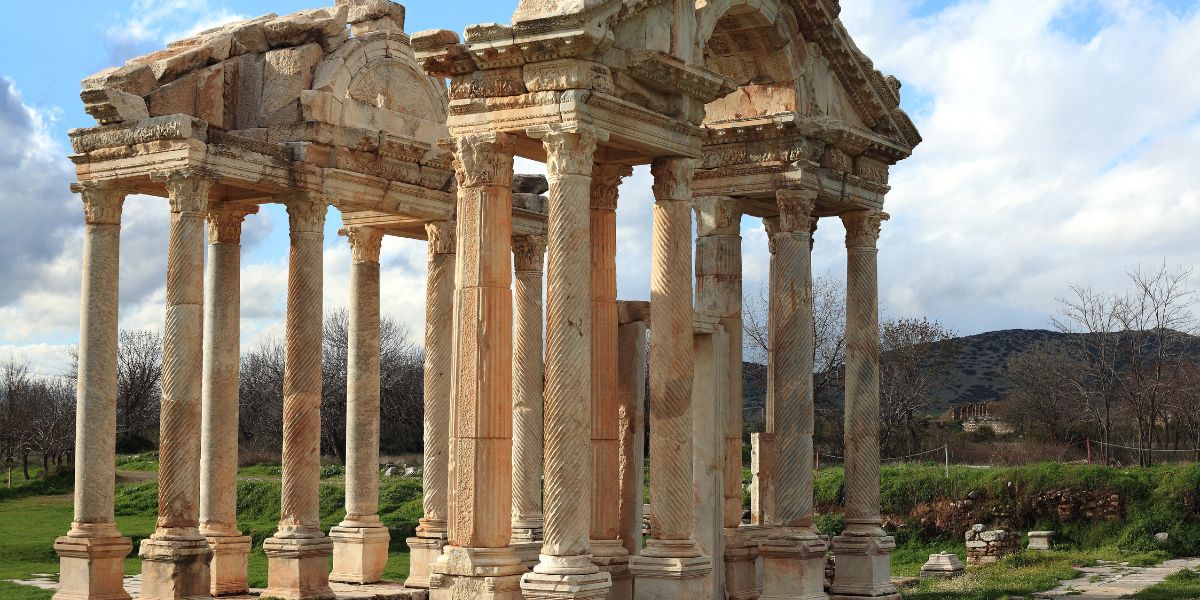
Since ancient times, livestock farming has been an important part of agriculture and is the means by which humans obtain food to survive. From archaeological evidence, we will see how ancient cultures used livestock to conquer territory, keep their armies fed, and provide the materials necessary for the structures of their civilization.
Livestock in ancient civilizations
Livestock in ancient civilizations was an essential activity for the survival of people. It provided food, leather and other materials that were used in buildings. Livestock was also a means of exchanging goods and services. People raised animals to be slaughtered or used as a bargaining chip.
Livestock farming has played an important role in human history.It was one of the first economically significant activities of people and remains an important part of the world economy.
Types of cattle in ancient civilizations
Livestock is one of the oldest activities of mankind and domestic animals were bred by the first farmers.The ancient civilizations cultivated different types of livestock depending on climatic conditions and soil. Animals were bred to obtain meat, milk, leather and wool.The following are some of the types of cattle that were bred in ancient civilizations:
buffalo: the buffalo is an animal that was domesticated in Central Asia more than 4,000 years ago. It was bred because its meat was considered a delicious and nutritious food.In addition, the buffalo provided milk, which was used to make yogurt and other dairy products. The buffalo was also used as a draft animal, pulling carts and chariots.
5,000 years ago, cows were domesticated in Europe. They were bred to obtain milk, meat and leather.Cows were also used as draft animals and to help prepare the land for planting.
10,000 years ago in Central Asia, sheep were bred for wool, which was used to weave clothing and fabrics.
Porcos: pigs were domesticated more than 8,000 years ago in Central and Eastern Europe. They were bred to obtain pork and by-products such as bacon and lard. In addition, pigs were also used as draft animals in some regions of ancient Europe.
Livestock products in ancient civilizations
Livestock has always been present in ancient civilizations, either as a source of food or work. Animals were bred for meat, milk, leather and wool, among other products. Livestock was also important for the transport of cargo and people.
In ancient China, livestock played a vital role in the economy.The Chinese raised cattle for meat and milk, and sheep for wool production.
The Egyptians raised animals primarily for meat, however, they also used cattle to take milk and produce cheese.Cows were considered a symbol of fertility and abundance, and were worshipped as goddesses.
In ancient Greece, livestock played an important role in the economy.The Greeks raised cows, sheep, goats and horses for meat, milk and wool.These products were used in offerings made to the gods.
In Rome, livestock played a key role in the economy. The Romans raised cattle, sheep, goats, pigs and horses for meat, milk and wool. These products were used by the army and in offerings to the gods.
To conclude, we can say that livestock farming was extremely important for ancient civilizations, as it provided food and labor to local populations. Animals were also used as religious symbols and for the transportation of goods and people.
Livestock in colonial Brazil
Livestock farming in colonial Brazil was a very important economic activity.The Portuguese colonizers brought several species of animals to Brazil, such as cattle, sheep and pigs. Livestock had a great impact on the colonial economy, as it was one of the main sources of income.
Conclusion
Livestock is an important sector of agribusiness and has a long history.It began in ancient civilizations and continues to play a key role in the world economy. Livestock is responsible for the production of food, fuel, fiber, leather and other products. The sector employs millions of people worldwide and represents an important source of income for many families. Livestock also contributes to the conservation of the environment and the maintenance of biodiversity.



