

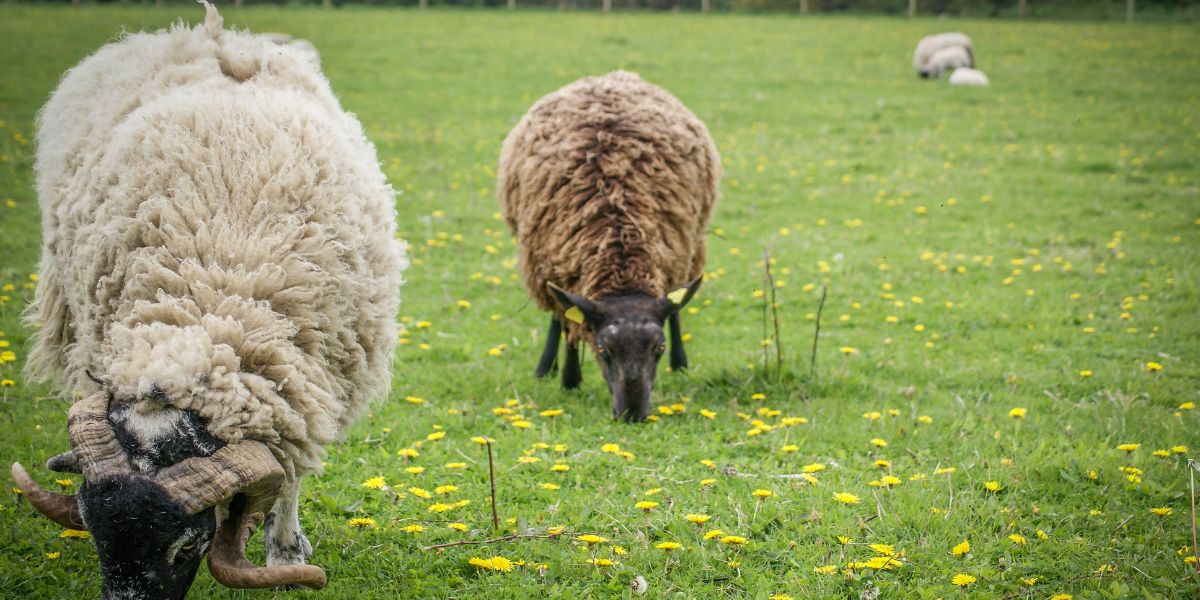
Livestock farming is an essential activity for food production worldwide. However, in recent decades, conventional methods of animal husbandry have been questioned due to their negative impacts on the environment, animal welfare and human health.In this context, organic and natural livestock emerges as a sustainable and ethical alternative for the production of meat, milk and other animal products.
What is organic and natural livestock?
Organic and natural livestock is a production system that aims to raise animals in a healthier way, respecting their well-being and the environment. In this system, animals are raised in conditions that resemble their natural habitat, with access to pasture areas, adequate food and without the use of antibiotics, growth hormones or other chemicals.
In organic livestock, animals are fed feed produced without the use of pesticides, chemical fertilizers or genetically modified organisms (GMOs). In addition, animals are not given antibiotics in a preventive way, only in cases of diseases that can not be treated with natural methods.
In natural livestock, animals are raised exclusively on pastures, without the use of confinement or supplementary feeding. This system seeks to reproduce the natural living conditions of animals, allowing them to express their instinctive behaviors and feed properly to their species.
Benefits of organic and natural livestock
Organic and natural livestock has several benefits compared to conventional livestock. Some of the main benefits include:
- Animal welfare: In organic and natural livestock, animals have more space to move around, access to pasture areas and adequate food.This allows them to express their natural behaviors and have a healthier and more comfortable life.
- Product quality: Organic and natural livestock products such as meat and milk are considered healthier and tastier.This is because animals are fed a natural diet and do not receive growth hormones or other chemicals that can affect the quality of products.
- Environmental sustainability: Organic and natural livestock is more environmentally sustainable.This is because it reduces the use of agrochemicals, which can contaminate soil and water, and promotes biodiversity conservation through proper pasture management.
- Human health: The consumption of organic and natural livestock products can bring benefits to human health. Studies indicate that the meat and milk produced in these systems have a healthier nutritional profile, with a higher concentration of omega-3 and other beneficial nutrients.
Challenges of organic and natural livestock
Despite the benefits, organic and natural livestock also face some challenges. One of the main challenges is the scale of production, since these systems require more space and resources than conventional livestock.
Another challenge is the lack of proper regulation and enforcement. Although there are standards and certifications for organic and natural production, they are not always strictly enforced, which can lead to fraud and consumer distrust.
In addition, organic and natural livestock can face difficulties related to diseases and parasites, since the use of medicines is restricted in these systems. This requires proper and preventive management, with the use of natural methods of pest and disease control.
Future prospects
Despite the challenges, organic and natural livestock has grown worldwide, driven by consumer demand for healthier and more sustainable products. According to the International Federation of Organic Agriculture Movements (IFOAM), the global area dedicated to organic livestock has grown by more than 20% between 2016 and 2018, reaching more than 74 million hectares.
For this growth to continue, it is necessary to invest in research and development of management techniques appropriate to organic and natural livestock.In addition, it is important to strengthen the regulations and supervision of these systems, ensuring the quality of products and consumer confidence.
Another important point is education and awareness of the population about the benefits of organic and natural livestock. This can help increase the demand for these products and make them more accessible to the general population.
Conclusion
Organic and natural livestock farming is a sustainable and ethical alternative to the production of animal foods. These systems offer benefits for animal welfare, product quality, environmental sustainability and human health. Although there are still challenges to be overcome, organic and natural livestock has great potential to contribute to a healthier and sustainable future for all.



