

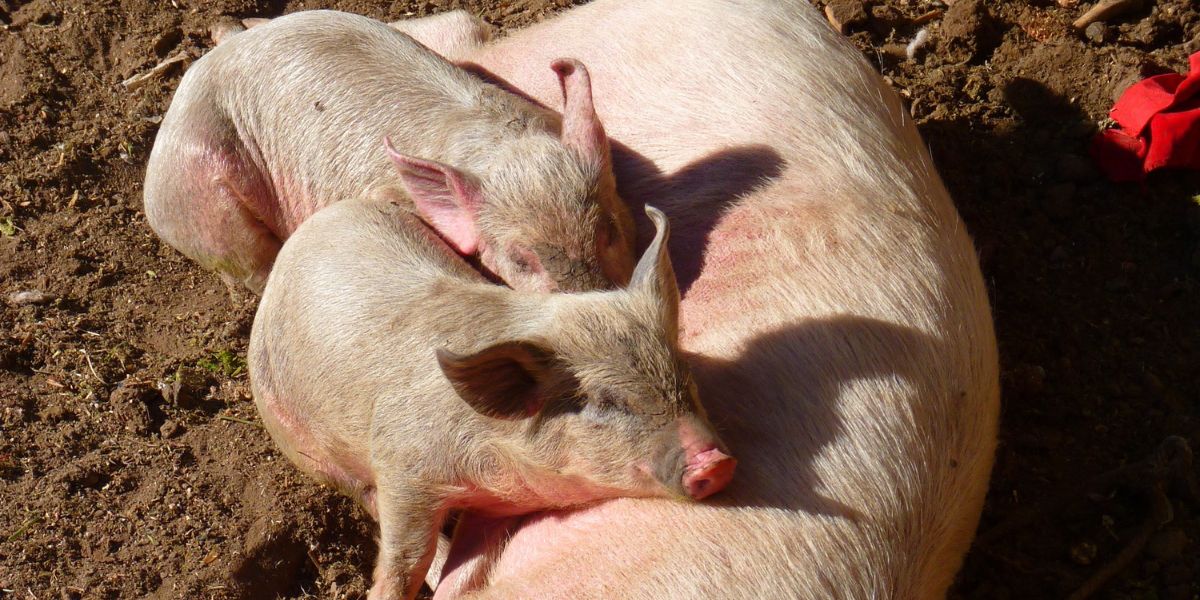
Have you ever stopped to think about the importance of reducing the stress of animals in livestock? After all, these living beings deserve proper respect and care throughout the production process.In addition, the quality of meat and milk can be affected by factors such as inadequate feeding, uncomfortable environments and aggressive management. In this post, we will explore the reasons why it is essential to ensure animal welfare in livestock and how this can bring benefits to all involved in the sector. Let's go!
What is animal stress?
Animal stress is a serious problem in livestock. Animals can get stressed for a number of reasons, including improper handling, transportation, poor feeding, and lack of exercise. Stress can cause disease, decrease milk and meat production, and even lead to death. For example, stress can cause gastritis in cattle and pigs. Gastritis is an inflammation of the stomach that can be fatal.
Stress factors in livestock and their effects
Stress is a common problem in farmed animals, and it can have serious consequences for the health and well-being of animals. Stress can be caused by a number of factors, including improper handling, transportation, rearing conditions, and slaughter.
Stress can cause a variety of health problems in animals, such as respiratory disease, diarrhea, hair loss, and low milk production. Additionally, stress can decrease meat and egg quality.For example, stressed pork tends to be less tender and rougher, while stressed chicken eggs may have thin, brittle shells.
Reducing animal stress in livestock is important not only to improve the health and welfare of animals, but also to ensure the quality of meat and derived products. Fortunately, there are several measures that livestock farmers can take to reduce the stress of their animals. These include providing a quiet and safe environment, maintaining clean and well-ventilated facilities, feeding animals properly and minimizing unnecessary handling.In addition, regular training of employees is important to ensure that handling methods are adequate.
How to reduce stress of animals in livestock?
Livestock is a crucial sector of the Brazilian economy, accounting for about 4% of the country's GDP.However, animal stress is a chronic problem that affects the productivity of farms and can lead to the death of animals.
Animal stress can be caused by a number of factors, including poor nutrition, confinement in tight spaces, poor handling, and long, uncomfortable transportation.In addition, animals are often subject to extreme weather conditions such as excessive heat and cold.
To reduce the stress of animals in livestock, it is important to adopt good management practices. This includes providing balanced feed and fresh and clean drinking water, as well as ensuring that animals have enough space to move safely. It is also important to ensure that animals are transported in appropriate conditions and that the management of animals is smooth and without violence. In addition, the adoption of sustainable environmental practices, such as rational use of water, reduction of solid waste and pest control, can contribute to reducing animal stress. Finally, it is important to periodically monitor the health status of animals to detect possible problems related to stress early.
Benefits for animals by reducing livestock stress
Reducing animal stress in livestock is important for several reasons.First, animals are more productive when they are well-treated and stress-free.In addition, meat from animals suffering from stress may be less healthy for human consumption.Finally, animals that experience less stress are cheaper to breed, as the cost of maintenance is lower.
Practical examples of measures to reduce animal stress in the livestock sector
Stress is one of the main problems faced by captive animals. Several studies have shown that stress can negatively affect the welfare of animals, decreasing immunity, increasing the risk of disease and interfering with productive performance. Fortunately, there are several measures that can be taken to minimize the stress of captive animals. Some practical examples of measures that can be adopted to reduce animal stress in the livestock sector are:
- Provide animals with a suitable, safe and comfortable environment;
- Ensure that animals have access to clean water and food;
- Minimize sources of stress in the environment (e.g., noise, excessive heat/cold);
- Train employees to properly handle animals;
- Minimize forced animal management (for example, avoid the use of control equipment);
- Use gentle management techniques to ensure animal welfare;
- Implement animal health maintenance programs, such as vaccinations and deworming;
- Ensure that the workload of animals is compatible with the species;
- Promote the provision of food and stimulating environments for animals.



