

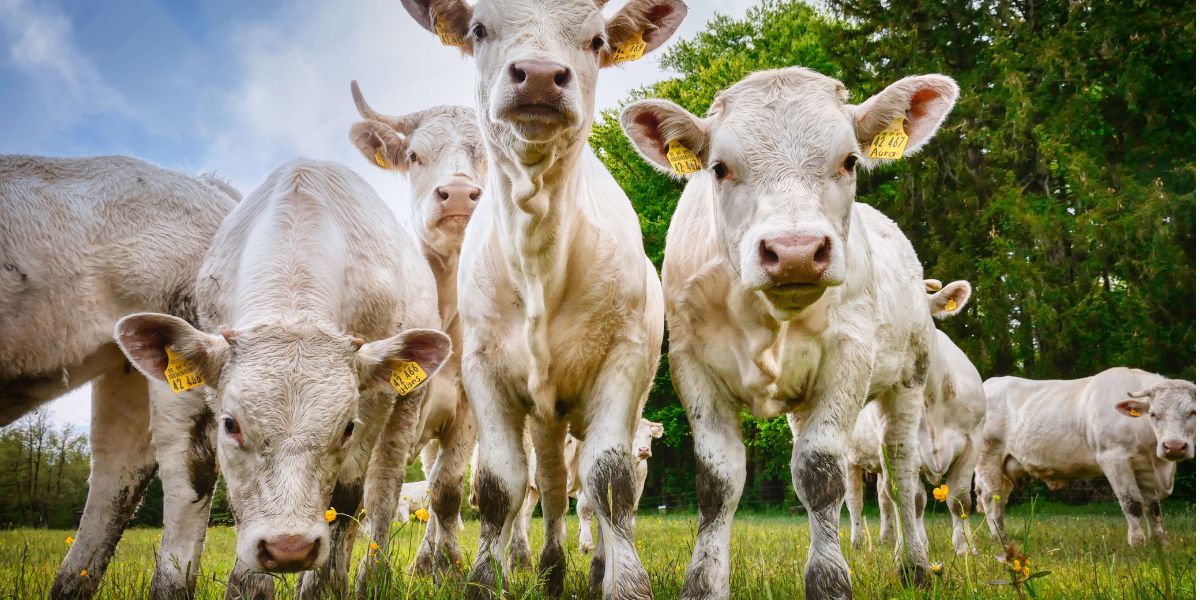
Prevention is undoubtedly the key to ensuring the health of animals in livestock. The care of cattle goes far beyond proper nutrition and comfort of the environment in which they live. It is essential to adopt preventive measures that can prevent diseases and health problems in the herd. In this post, you will understand why investing in prevention programs is so important and how this practice can improve your business in livestock. So get ready to check the main tips on this crucial subject!
Why prevention is important?
Prevention is crucial for animal health in livestock. Unlike curing, prevention involves reducing the risk of disease and promoting the health and welfare of animals. Prevention is important because:
1. It can prevent the suffering of animals. Diseases can cause a lot of suffering to animals, especially if they are not treated properly.Prevention can significantly reduce animal suffering.
2. Can improve farm productivity.Diseases can negatively affect farm productivity, resulting in financial losses for farmers.The prevention of diseases can significantly improve farm productivity and, accordingly, farmers' profits.
3. Can protect the environment.Some animal diseases can be transmitted to humans and/or other wild animals, which can lead to environmental problems.Prevention of these diseases can help protect the environment.
4. It can save time and money. Unlike cure, prevention is much cheaper.It is much cheaper to prevent diseases with effective control measures than to treat them after they arise.In addition, prevention measures save time, as people do not need to spend time trying to cure infected animals.
Prevalent diseases in livestock animals
In Brazil, the diseases that affect livestock most often are brucellosis, tuberculosis and leptospirosis. Brucellosis is an infectious disease that mainly affects cattle, but can also infect other animals, including man. Transmission of brucellosis occurs by ingestion of food or water contaminated with the feces of an infected animal. Tuberculosis is another infectious disease that affects livestock animals, especially cattle. Transmission of tuberculosis occurs when people inhale airborne particles containing tuberculosis bacteria.
Vaccination and other forms of prevention
Livestock is an activity that involves daily care for animals. To ensure the health of animals, it is important to adopt preventive measures, such as vaccination.Vaccination is one of the main forms of disease prevention and one of the fundamental care to keep animals healthy.In addition to vaccination, other prevention measures are important, such as the control of internal and external parasites, good hygiene of animals and the provision of balanced and quality food.
Care for animals
Taking good care of animals is fundamental to livestock productivity. Animal health is directly linked to the quality of the food we produce and, consequently, to our health. Therefore, it is important to follow some animal care recommendations:
Offer animals balanced and good quality feed;
Ensure access to fresh and drinking water;
Provide a clean and airy environment;
Reactivate regular control of external and internal parasites;
vaccinate the animals according to the schedule recommended by the veterinarian;
Keep animals under observation to identify early signs of disease.



