

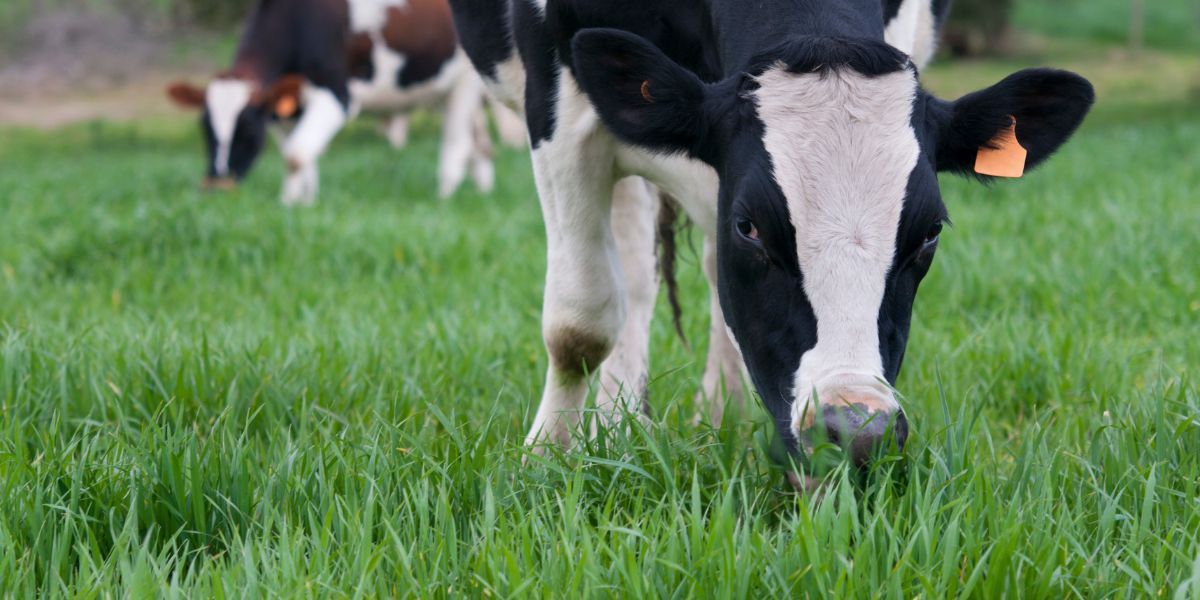
Low carbon production in livestock is an innovative approach that aims to reduce greenhouse gas emissions associated with animal husbandry.With livestock farming contributing significantly to global emissions, mainly through the production of enteric methane and the use of inputs based on fossil fuels, it is imperative to seek sustainable alternatives.Efficient management strategies, adoption of clean technologies and genetic improvement are some of the practices that contribute to a more sustainable livestock.
In addition to mitigating environmental impacts, low-carbon production presents attractive economic potential. With increasing consumer awareness and demand for sustainably sourced products, environmentally responsible livestock practices can open new markets and improve producer profitability.
Environmental governance and collaboration between the public and private sectors are key in this process.Governmental incentives, partnerships for research and development and public policies focused on carbon reduction strengthen the sector.At the same time, they allow producers to adapt to the new paradigms and actively contribute to the fight against climate change.
Global Context of Emissions in Livestock
Livestock is responsible for a significant share of global greenhouse gas emissions, directly influencing climate change. Low-carbon production practices seek to mitigate these impacts.
International Agreements and Climate Goals
International agreements, such as the Paris Agreement, stipulate global climate goals requiring coordinated action among nations.Specific objectivesthese include reducing global temperatures by up to 1.5°C and carbon neutrality by 2050. In livestock, these goals imply the development and adoption of sustainable practices, such as:
- Improving the efficiency of animal production
- Improved land use management
- Implementation of diets with lower emissions for the herd
Role of Livestock in the Emissions Scenario
Livestock plays a dual role in the emissions scenario: it is a significant source of methane (CH4) and nitrous oxide (N2O), but it also offers potential mitigation solutions. Emissions come from ruminant digestive processes (enteric fermentation), animal waste management and deforestation for pasture expansion. FAO (United Nations Food and Agriculture Organization) data emphasize the need for innovative approaches to reduce these emissions:
| Emissions Source | Global Percentage |
|---|---|
| Enteric Fermentation | ~40% |
| Animal Waste Management | ~10% |
| Production of Feed for Animals | ~45% |
| Land Use Change and Deforestation | ~5% |
It is essential to implement technologies and practices that optimize production and minimize emissions, such as:
- Genetic selection for greater feed efficiency
- Use of food additives that reduce enteric fermentation
- Integrated management system for soil and livestock
Strategies for Low Carbon Production
The implementation of strategies aimed at low carbon production in livestock is essential to mitigate greenhouse gas emissions and promote a more sustainable and efficient sector.The tactics involve from proper management of land use to genetic improvement of livestock.
Sustainable Pasture Management
Sustainable pasture management involves crop rotation and the recovery of degraded areas. The adoption of integrated systems, such as crop-livestock-forest integration (ILPF), contributes to increased soil carbon sequestration and improved biodiversity.
- Crop rotation
- Recovery of degraded pastures
- Integrated systems: ILPF
Food Supplementation and Nutritional Efficiency
Food supplementation and nutritional efficiency seek to optimize the herd diet, reducing the amount of methane generated by enteric fermentation. The use of food additives, such as probiotics and fats, can significantly reduce methane emissions per unit of animal product.
- Diet optimization
- Food additives: probiotics and fats
Genetic Improvement of Herd
Genetic breeding aims to select animals with higher feed efficiency and lower methane production.Strategies include choosing breeds adapted to local conditions and using assisted reproduction techniques to accelerate genetic gains.
- Selection of animals with food efficiency
- Adapted breeds and assisted reproduction
Precision Agricultural Technologies
Precision agricultural technologies include the use of sensors, software and other digital tools to monitor and manage herds and pastures more effectively.This results in a more rational use of resources, contributing to the reduction of greenhouse gas emissions.
- Use of sensors and software
- Efficient resource management
Public Policies and Incentives
Public policies and incentives are crucial to guide low-carbon production in livestock.They establish legal and financial frameworks that support the adoption of sustainable practices and green technologies.
National and State Legislation
Brazil has implemented several laws to promote sustainable production. The National Policy on Climate Change (PNMC), for example, establishes guidelines for reducing greenhouse gas emissions, while at state levels, there are specific regulations that seek to encourage low-carbon livestock, adjusting them to local realities and needs.
Financial Incentive Programs
Several programs offer financial incentives to ranchers who adopt more sustainable practices:
- ABC Program (Low Carbon Agriculture):Low interest rate financing for projects that promote the reduction of carbon emissions.
- National Land Credit Program (PNCF):Supports land acquisition and investments in sustainable practices for smallholders.
Certifications and Environmental Seals
Environmental certifications and seals attest to the commitment of producers to sustainable practices:
- Neutral Carbon Meat (CCN) Seal:Awarded to companies that prove the neutralization of GHG emissions in livestock production.
- Green Seal:Recognizes products originating from eco-efficient and socially fair production systems.
Success Cases and Case Studies
The implementation of sustainable practices in livestock has been the subject of innovative projects, both in Brazil and internationally. These projects are essential to demonstrate the technical and economic viability of low carbon production and its positive impact on the environment.
Model Projects in Brazil
In Brazil, theViva a Lagoa Projectin Mato Grosso do Sul serves as an example of an effective strategy in low carbon production. The project focuses on integrated management of crops, livestock and forest, known as ILPF, reducing the emission of greenhouse gases.In addition, theSanta Brigida Farm, located in Goias, stands out for the use of sustainable intensification and rotational grazing systems that increase the capture of carbon in the soil.
International Examples
Internationally, aDairy Farmers of Americain the United States it is a reference, promoting responsible environmental management through measures such as biodigesters to transform waste into renewable energy.In New Zealand, theCeres Farmit is notable for its approach to reducing enteric methane through food additives and better manure management.
Challenges and Barriers
Challenges in implementing low-carbon production practices in livestock farming include high operational cost and resistance to change by producers. These barriers must be carefully considered for the transition to be effective and sustainable.
Operating Costs and Initial Investment
The shift to low carbon livestock systems impliesoperating costssignificant andinitial investmentshigher. More sustainable technologies often present ahigh cost, being essential to reduce the emission of greenhouse gases. For example:
- Implementation of systems ofwaste managementas biodigesters: high installation cost.
- Adoption of food withaddition of additivesreducing emissions: increasing production costs.
Resistance to Change and Producer Education
A notable obstacle is theresistance to changeby the communities of ranchers, often due to lack of knowledge about sustainable practices. Continuous education of producers is essential to overcome such resistance:
- Training & training: workshops and courses that address both the environmental and economic benefits of low-carbon practices.
- Practical demonstrations: visit to model farms that apply low emission technologies and demonstrate their economic viability.
Future of Sustainable Livestock Production
Sustainable livestock production is constantly evolving, with the future in store for technological innovations and a growing market for low-carbon practices.
Innovations in Development
The livestock industry is preparing to incorporate biotechnological advances and management techniques that reduce the carbon footprint.
- Optimized Feeding: Diets with natural additives that reduce methane emission.
- Emissions Monitoring: Using sensors and AI to track and manage emissions in real time.
- Genetic Improvement: Selective breeding and genomic editing targeting individuals with lower environmental impact.
Market Potential and Trends
The global market is increasingly aware of sustainability.Determining factors for growth include:
- Demand for Transparency: Sustainability seals and certifications gaining value.
- Government Incentives: Policies to support low carbon livestock practices.
- Commercial Innovations: Products derived from sustainable systems achieving premium prices.



