

Livestock farming is an economic activity that involves the creation of animals for commercial purposes, such as meat and leather. In Brazil, it represents about 4% of the Gross Domestic Product (GDP) and is responsible for employing more than 13 million people.
Despite being an essential activity for the livelihood of many families, livestock also has a negative impact on the environment. This impact stems mainly from the way animals are raised and slaughtered.
Intensive livestock farming requires large areas of land for grazing and growing animal feed. This leads to deforestation, which destroys native vegetation and causes biodiversity loss.In addition, the large amount of excrement produced by animals pollutes the soil and surface waters.
The slaughtering process requires a lot of water and produces organic waste that, if not treated properly, can contaminate soil and water bodies.
Given this situation, it is essential to seek solutions to reduce the environmental impacts caused by livestock. One of the main strategies is the adoption of agroecological practices, such as crop rotation, integrated systems between agriculture and livestock and conservation techniques.In addition, it is important to encourage the use of more sustainable inputs, such as organic fertilizers and feed formulated with raw materials of plant origin.
The main consequences of livestock farming for the environment
Livestock is responsible for several environmental impacts, the main one being air pollution. The gases emitted by farms (such as methane and carbon dioxide DO contribute significantly to the greenhouse effect, global warming and sea level rise.
In addition to air pollution, livestock also causes:
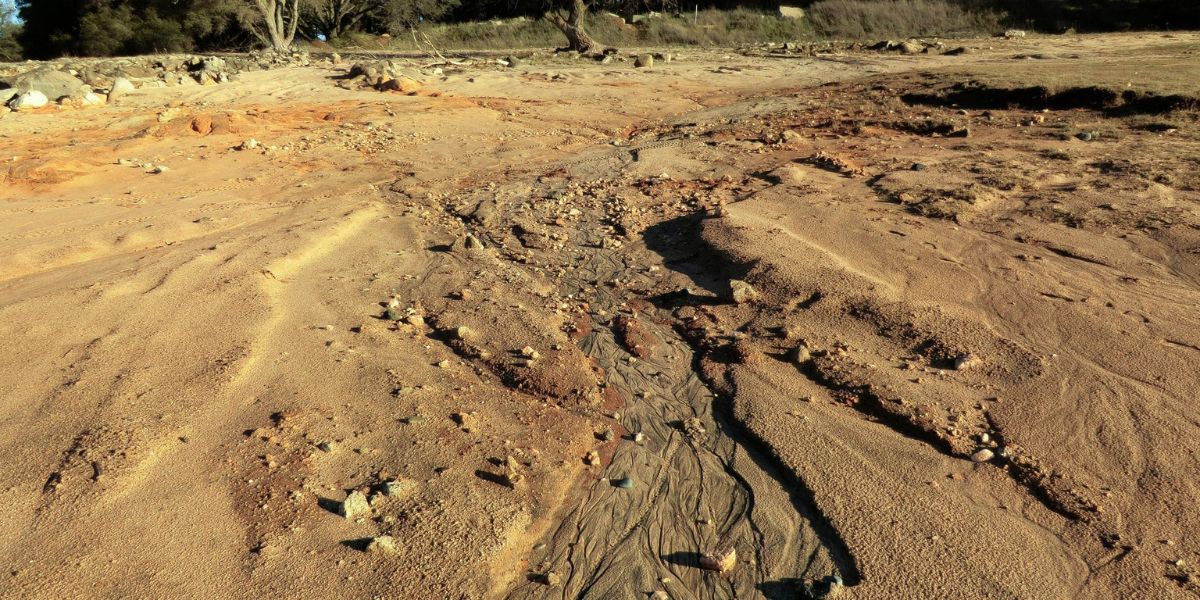
Degradation of land: Monoculture livestock farming, where large quantities of animals are kept in small areas, contributes to land degradation, as this practice causes erosion and siltation of soils;
Contamination of soil: Animals create feces that are thrown directly into the soil, contaminating it with harmful bacteria and nitrates & toxic substances for human health. These factors help in reducing biodiversity, as they interfere with local ecosystems;
''Deforestation: many farms are built in forest areas, which leads to their destruction;
Greenhouse gas emissions: livestock-related activities, such as the production of animal feed, contribute to the increase of greenhouse gases;
. Contamination of water: the feces and urine of animals are thrown into lakes and rivers, which contaminates water;
: some animal species may become extinct due to the destruction of their natural habitat.
What is being done to reduce the impact of livestock on the environment?
There are measures that can be taken to reduce the impact of livestock on the environment. These include the use of sustainable management practices, such as rotation of pastures and the use of organic fertilizers; the preservation of soil through vegetation cover; and the improvement of water quality through the use of clean technologies. It is also important to ensure that animals have good welfare and health, as this positively influences their productive performance.



