

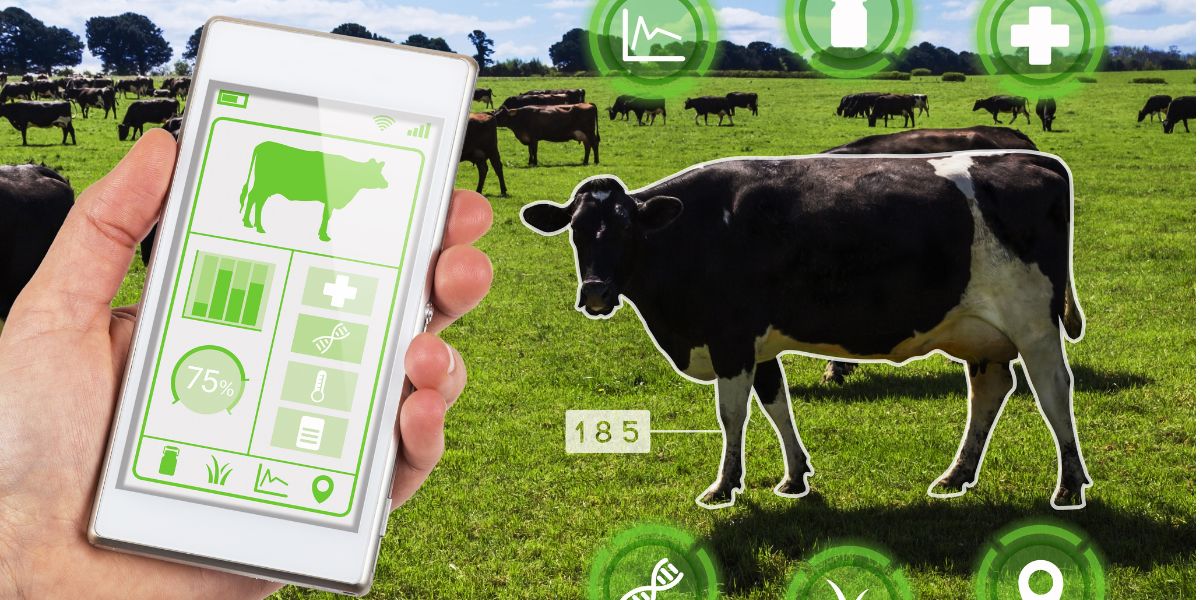
Did you know that livestock farming has been one of the industries most affected by animal diseases in recent years? Health problems can cause enormous damage to producers, as well as compromise the quality of meat and other derived products. But there is a promising solution: health sensors! In this post, we will talk about how these innovative devices are helping in the prevention of diseases in animals in livestock. Come on!
What are health sensors?
Health sensors are devices that monitor animal welfare in real time, allowing health problems to be detected early and treated before they cause irreparable harm.
How can health sensors prevent disease in animals?
Animal health sensors are increasingly used in livestock farming as they allow farmers to monitor the health of their livestock in real time. They can also be used to prevent animal diseases as data collected by the sensors can be analyzed to identify potential health problems and take preventive measures.
There are several types of animal health sensors available on the market, which can monitor various physiological parameters such as body temperature, heart rate and blood glucose levels.Some sensors can also monitor the welfare of animals by detecting signs of stress or pain.
The technology behind animal health sensors is becoming increasingly advanced, and new devices are being developed to monitor even more physiological parameters and well-being.Farmers can use these devices to identify diseases in animals before they manifest, which allows them to take preventive measures faster and reduce the incidence of diseases in livestock.
What are the advantages and disadvantages of health sensors?
The main advantage of health sensors is the ability to monitor the health of animals in real time.This allows farmers to take preventive measures to prevent diseases and ensure farm productivity.In addition, health sensors can also help reduce the number of animals that need to be sacrificed due to disease.
However, there are some disadvantages associated with health sensors.For example, the cost of equipment can be a deterrent for many farmers.In addition, health sensors require regular maintenance and can fail if not cared for properly.
Conclusion
By constantly monitoring the health of animals, owners of small farms can detect diseases early and thus take steps to treat or prevent them.



