

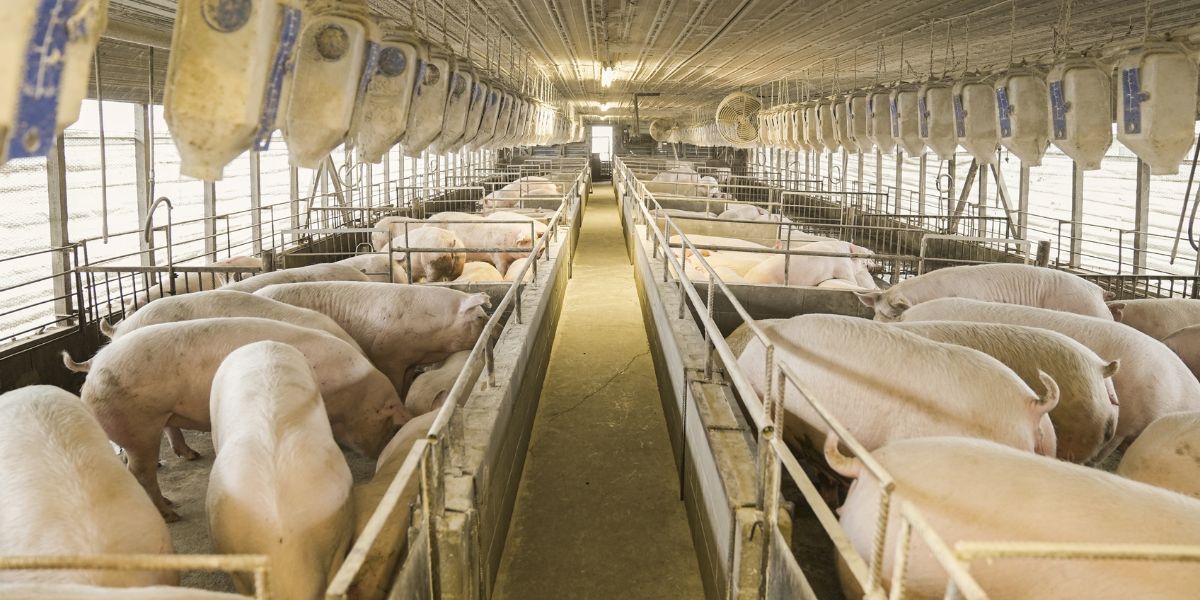
Did you know that lighting can have a big impact on animal welfare and productivity in farm environments? That's right! Choosing the right lighting system can make all the difference in livestock farming. In this article, we'll explore the different types of lighting systems adapted to animal husbandry environments and why they are important. So if you're a breeder or are interested in learning more about the subject, read on!
What are lighting systems adapted for animal husbandry environments?
Lighting systems adapted to animal husbandry environments are specifically designed to meet the needs of captive-bred animals.They help create a safe and comfortable environment, which can improve the welfare and increase the productivity of animals.
Lighting systems can be used to control the environmental conditions of the farm, such as temperature and humidity. In addition, they can also influence the behavior of animals, their reproductive health and the quality of the final product.
The most common systems include incandescent, LED or fluorescent lamps that provide different levels of natural light throughout the day. These types of light are considered important for mimicking daily natural cycles to which animals are accustomed in nature.
However, it is important to remember that each type of animal has its own specific needs when it comes to proper lighting.It is therefore essential to ensure that the systems chosen are adapted to the specific species maintained on your farm.
In summary, lighting systems adapted to animal husbandry environments play a key role in modern livestock farming by offering significant benefits to animals and agricultural production as a whole.
Why use lighting systems in animal husbandry environments?
Lighting is an important aspect in animal husbandry as it can affect the health and welfare of animals. Therefore, it is essential to choose the right lighting systems for each environment.
By using lighting systems adapted to animal husbandry environments, you can control the intensity of light and its hours of duration. This allows you to adjust the optimal amount of light to keep your animals healthy.
Natural sunlight also plays a key role in the daily cycle of animals.When exposed to adequate sunlight during the day and dark conditions during the nights, their biological cycles are regulated appropriately.
In addition, many companies are strongly committed to sustainable practices and energy efficiency in their production using modernized systems that significantly reduce the excessive consumption of these resources while maintaining accurate levels of lighting quality.
In summary, using lighting systems adapted to animal husbandry environments not only helps maintain optimal levels of animal health and their natural behavior regularized, but also promotes best business practices making an environmentally friendly agricultural exploration more feasible.
The different types of lighting systems adapted to animal husbandry environments
There are different types of lighting systems adapted for animal husbandry environments, and each offers specific benefits.The first type is natural light, which can be maximized through the use of windows or skylights on the ceiling of the premises.However, it is not always possible to rely only on natural light, especially in countries with harsh winters or unstable weather.
Another option is the artificial lighting system controlled by time, which simulates the day and night cycle for animals. This system helps regulate the hormonal cycles of animals and improve their overall health.In addition, it allows greater control over the hours when animals are fed and can increase their caloric intake.
There is also the LED color lighting system adjustable to the height of the eyes of animals. This type of lighting simulates certain weather conditions (for example: dawn/slow) to help reduce stress on animals during certain critical times of the day.
Finally, there are also more advanced systems such as infrared sensors that monitor the activities of animals on the farm 24 hours a day; thus these devices guarantee a superior quality in animal production.
It is important to choose carefully which approach to use when selecting a lighting system adapted to the specific needs of animal husbandry ^ although it may seem simple to opt for the cheapest or conventional available & & & consider how much savings will be obtained when investing in modern and sustainable technologies that have a desem
How to choose the lighting system adapted to animal husbandry environments
With so many options available, choosing the right lighting system for animal husbandry environments can seem like a daunting task. However, when considering the specific needs of the animals and the environment in which they live, as well as the different types of systems available on the market, it is possible to select the best option.
Lighting systems adapted to animal husbandry environments can bring many benefits to animals and producers.In addition, with the evolution of technology and the growing demand for more efficient and sustainable solutions in livestock, it is likely that further advances will be made in this area.
In summary, investing in a good lighting system adapted to animal husbandry environments not only improves animal welfare but also contributes significantly to business productivity. Always be sure to seek up-to-date information on best practices in using this type of technology and consult specialized professionals before purchasing or installing the equipment.



