

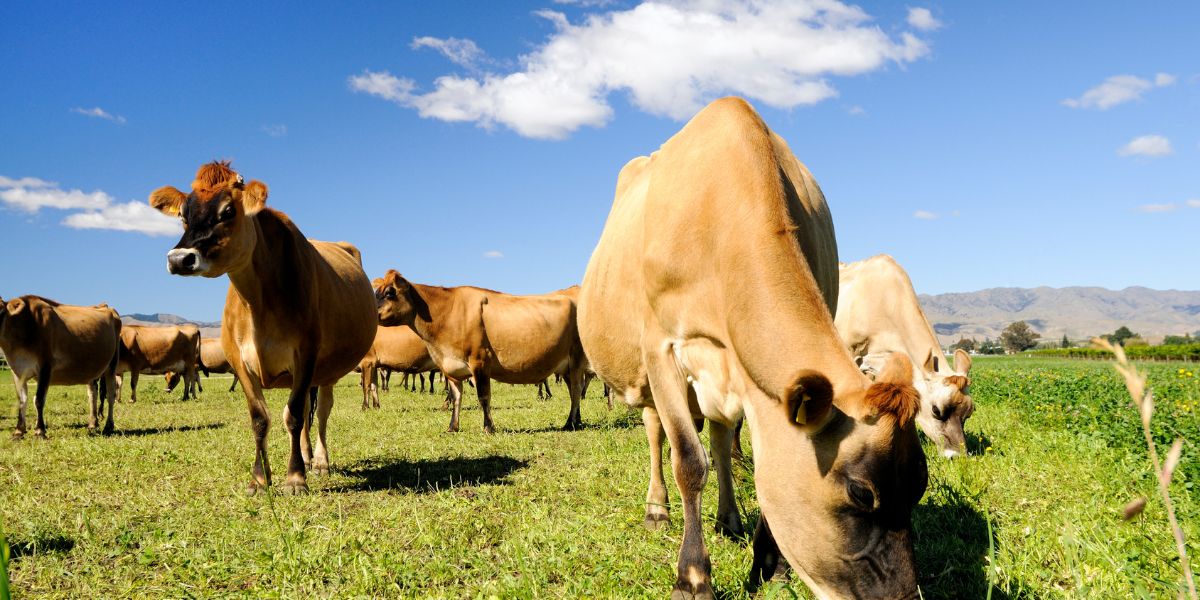
The jersey breed is one of the oldest and also one of the most popular in brazilian livestock. It has been used since the last century as an option for the production of meat, milk and other dairy products.In this article, we will discuss the main characteristics of jersey cow and why it is so important for brazilian livestock.
Introduction
The Jersey cow is one of the oldest breeds in North America and is one of the most popular breeds among dairy farmers.The Jersey breed was originally bred on the island of Jersey in the English Channel and was brought to North America in the mid-19th century.The breed is known for its ability to produce high-quality milk with high fat and protein content. Jersey cows are also considered excellent breeders as they are capable of producing large amounts of milk even when fed low-quality forages.
What's jersey cow?
The jersey cow is one of the most popular dairy cow breeds in the world. They are known to be extremely productive, producing up to 25 liters of milk per day. In addition to productivity, jersey cows are also very resistant and adaptable, which makes them perfect for livestock. They are intelligent and easy to handle animals, which makes working with them much easier for farmers.
Characteristics of jersey cow
Jersey cows are medium to large in size, and can weigh up to 500 pounds. Their main feature is their light brown skin with white spots on the ends. They also have a small, twisted horn in the form of spirals.Jersey cows are recognized for their ability to produce milk rich in protein and fat. Jersey cow milk contains up to 5% fat, while milk produced by the other cow breeds contains only 3.5% fat. In addition, jersey cows are extremely adaptable to the climate and environment, which has made them one of the most popular breeds among cattle breeders worldwide.
Advantages of raising jersey cows
Jersey cows are considered one of the oldest breeds and also one of the most productive.The milk production of this breed is much superior to the others, which explains its popularity among livestock farmers.
In addition to milk production, jersey cows are also excellent for meat.Their body is lean and strong, which ensures optimal use of meat.This breed is also known for its good temperament, which facilitates handling.
Disadvantages of raising jersey cows
Jersey cows are one of the most popular breeds in the world of livestock.However, they also have some disadvantages.
One of the main disadvantages is their size.They are considerably smaller than other breeds of cow and, as a result, produce less milk.In addition, they are more prone to diseases and other health problems.
Jersey cows are generally more expensive than other dairy cows and consequently can be a rather costly investment for farmers.
However, despite these disadvantages, jersey cows remain one of the most popular breeds among cattle breeders due to their relatively high dairy production and ease of handling.
How to feed a jersey cow?
Feeding a jersey cow is very important for their well-being and productivity. It is important to provide them with a balanced and high-quality food, which contains all the nutrients necessary for their body. One of the main nutrients that cows need is calcium, which is found in large quantities in pastures. Cows also need fiber, protein and other nutrients to maintain a good state of health.
Care for jersey cows
Jersey cows are one of the most popular breeds of livestock, due to their high milk productivity. However, they also require special care to keep them healthy and productive. Here are some tips for taking good care of your jersey cows:
Feeding: Jersey cows need a balanced, nutritious diet to produce the quality milk they are known for. Be sure to provide them with fresh fodder, grains, and other nutrient-rich foods.It is also important to be careful about how much food you provide, as jersey cows are prone to fattening if they are overfed.
Vaccination: Jersey cows need to be regularly vaccinated against common diseases such as brucellosis and tuberculosis. This will prevent them from becoming ill and decrease the risk of transmitting these diseases to other animals.
Beware of hooves: The hooves of jersey cows should be carefully checked and treated whenever necessary. This may include using horseshoes, removing calluses, nails and cleaning to prevent infections or injuries to the hooves.
Corral cleaning: Jersey cows need a clean environment to stay healthy.Therefore, it is important to regularly clean the corrals and ensure that there is nothing there that can cause problems to the health of the animals.
Exercise: A good way to keep your jersey cows healthy and active is to provide a suitable area for them to exercise.
Common diseases in jersey cows
Jersey cows are susceptible to various diseases, some of which can be serious. Some diseases that affect jersey cows include:
Breast disease: Breast disease is a bacterial infection that affects the udder (breast) of cows. Symptoms include swelling, redness, and purulent discharge from the udder. Breast disease can be fatal if not treated properly.
Bovine enzootic lung disease (BPD): BDP is a severe respiratory infection affecting the lungs of cows. Symptoms include cough, nasal secretions, and yellow-green sputum. BDP can be fatal if not treated properly.
Ruminal reflux disease (RRD): RRD is a condition that causes the contents of the stomach to return to the esophagus (a tube that connects the mouth to the belly). Symptoms include vomiting, weight loss, and anemia. If not treated properly, RRD can lead to malnutrition, liver disease, and even death.
Johne's disease: Johne's disease (or paratuberculosis) is a chronic infection caused by bacteria called Mycobacterium avium subspecies paratuberculosis.Symptoms include chronic bloody diarrhea, thinning and debility.If not treated properly, Johne's disease can be fatal.



