

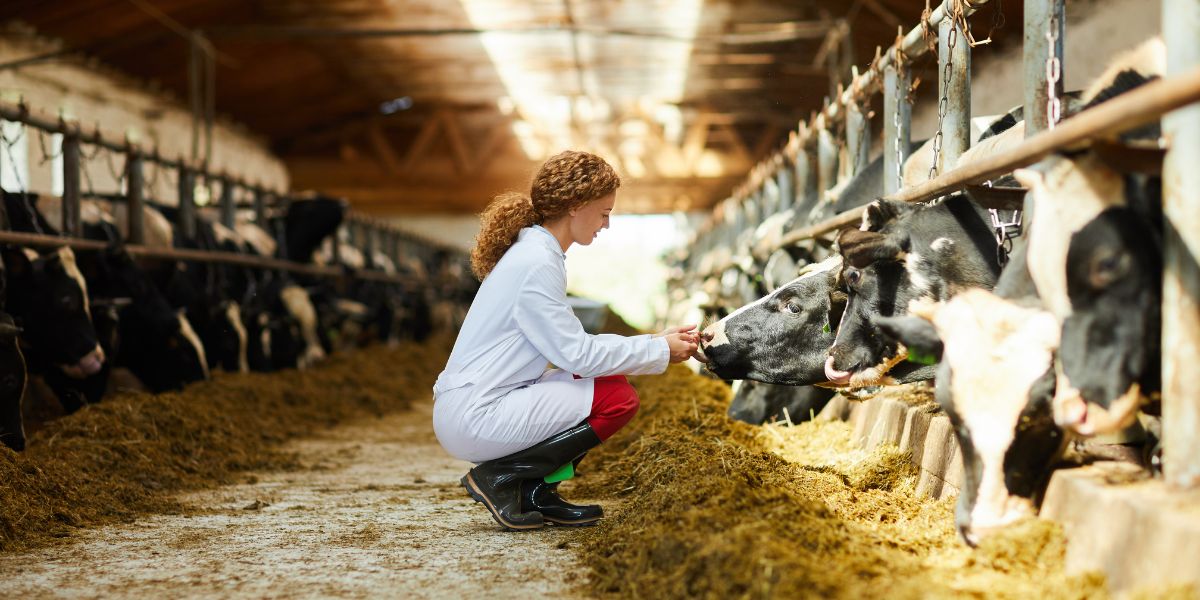
Welcome to the world of modern livestock farming! Nowadays, technology is present in all sectors and could not be different with animal husbandry. Automation in the detection of animal diseases is one of the great evolutions of this area, offering producers greater efficiency in the diagnosis and treatment of their animals.In this article, we will explore everything you need to know about this revolutionary innovation in livestock. Read to the end to find out how automation can help you prevent and treat diseases in your herds!
What is automation in detecting animal diseases in livestock?
Automation in the detection of diseases in animals in livestock is a set of technologies that aims to facilitate and improve the diagnosis and treatment of diseases in livestock. It consists of automated systems capable of detecting the symptoms of various diseases, provide alerts to producers and even apply drugs automatically.
These systems can be composed of sensors, cameras, software, artificial intelligence and other advanced technologies.The ultimate goal is to obtain accurate data on the health of animals to identify potential problems before they become serious or contagious.
In addition, automation allows more efficient management of the herd as a whole. With it, producers can monitor each individual more easily and quickly, ensuring personalized treatment if necessary.
Despite the higher initial costs for implementing automation in the detection of animal diseases in livestock, this solution can bring great benefits in the long term. Lower animal mortality, reduction in unnecessary use of medicines and increased productivity are some positive examples of this new trend in animal husbandry.
The different types of automation systems used
Automation in the detection of animal diseases in livestock has been increasingly used by farmers in Brazil.There are different types of automated systems that can be applied to monitor the health of animals.
An example is the electronic identification system, which uses earrings or chips on animals to collect information about their location and behavior. With this data, it is possible to detect significant changes in the behavior of the animal that may indicate a disease.
Another type of system is the use of blockchain technology, which allows you to safely record all relevant information about the health of the animal, from its medical history to its food and vaccination. In this way, producers can have more precise control over their herds and take preventive measures when necessary.
In addition, there are equipment such as infrared thermal cameras capable of detecting changes in the body temperature of animals. This can help quickly identify cases of fever caused by bacterial or viral infections.
In summary, there are many different types of automated systems available to help farmers detect disease in their herds more accurately and quickly. Each of these systems has its own advantages and disadvantages depending on the specific needs of the farmer.
Pros and cons of automation in animal disease detection
In conclusion, automation in animal disease detection in livestock can be a valuable tool for preventing and treating disease. Automated systems can help farmers quickly identify sick animals, enabling more effective treatment and reducing the risk of disease spreading to other animals in the herd.
However, despite the obvious benefits of automation, it is important to remember that it should not completely replace human observation.It is still essential that growers regularly monitor their animals for signs of health problems.
In addition, the implementation of automated systems can be expensive and requires proper training to ensure their correct use. Therefore, before investing in advanced technology on the farm, producers should carefully evaluate the specific advantages and disadvantages of the system in question.
Ultimately, it is up to producers to decide whether automation in animal disease detection is worth the investment. However, when used in a complementary way to careful and responsible human observation, these systems have the potential to significantly improve animal welfare and increase the productivity of agricultural operations.



