

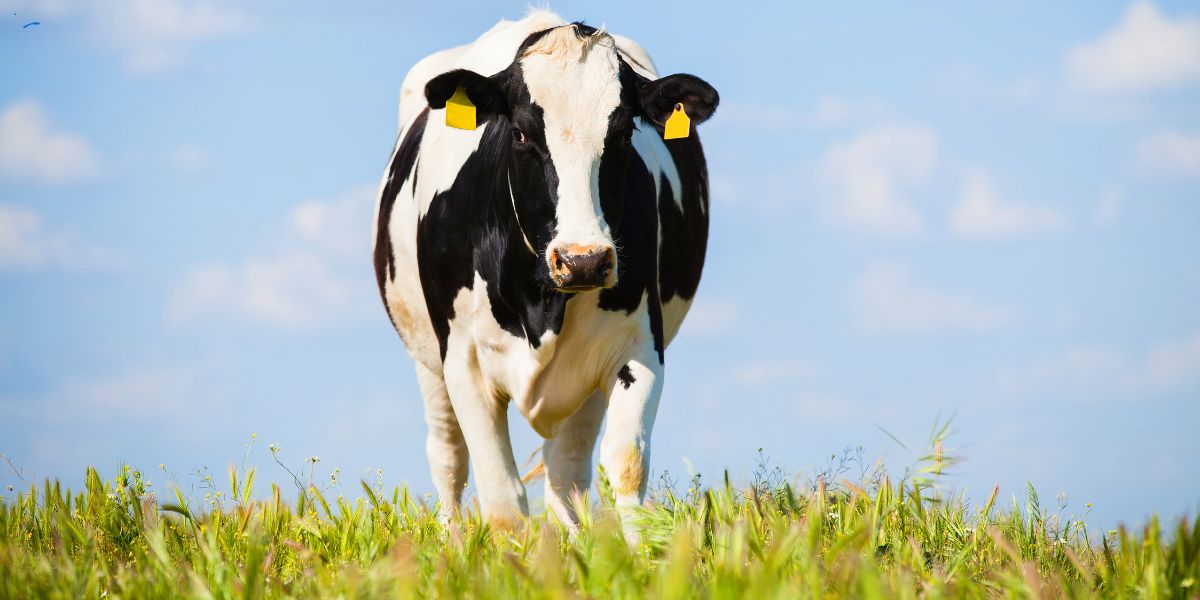
Livestock is undergoing significant transformations, driven by technological advances, environmental concerns and changes in consumer behavior.In this scenario, several trends are shaping the future of the sector, seeking a more efficient, sustainable production and aligned with the demands of society.The following, we will explore 20 trends that are revolutionizing livestock.
1. Precision Livestock: The application of technologies such as GPS, sensors, drones and artificial intelligence allows you to monitor and manage individual animals, optimizing nutrition, reproduction and herd health.
2. Applied Genomics: The use of genomics to select animals with desirable characteristics such as higher productivity, disease resistance and better meat quality, is becoming more affordable and wide spread.
3. Personalized Nutrition: Animal nutrition is becoming increasingly accurate, with the use of algorithms and analysis to formulate individualized diets, according to the stage of life, genetics and needs of each animal.
4. Crop-Livestock-Forest Integration (ILPF): Integrated systems combining agriculture, livestock and forestry are gaining popularity, providing benefits such as increased productivity, income diversification and recovery of degraded areas. The ILPF is an innovation that integrates farming, livestock and forest.
5. Regenerative Livestock: Management practices that aim to regenerate ecosystems, such as rotational grazing, the use of diversified forages and integration with trees, are gaining prominence for their environmental and productive benefits.
6. Traceability and Blockchain: The adoption of traceability technologies such as RFID and blockchain allows you to track the entire journey of the animal, from birth to the final consumer, ensuring greater transparency, food safety and appreciation of products.
7. Animal Welfare: Animal welfare is becoming a priority, with the adoption of practices that ensure the comfort, health and natural behavior of animals, meeting consumer expectations and legal requirements.
8. Low Carbon Production: Strategies to reduce greenhouse gas emissions in livestock, such as proper pasture management, strategic supplementation and the use of additives in food, are gaining relevance in the face of climate change.
9. Species Diversification: In addition to cattle farming, breeding of other species such as sheep, goats, buffalo and fish is growing, taking advantage of new market niches and contributing to food security.
10. Renewable Energy in Livestock: The adoption of renewable energy sources such as biogas produced from animal waste and solar energy is becoming more common in rural properties, reducing costs and environmental impact.
11. Vertical Livestock: The concept of animal husbandry in vertical systems, with greater environmental control and efficient use of space, is gaining attention as an alternative to produce food near urban centers.
12. Biological Control of Parasites: The use of biological methods such as fungi and beetles to control parasites in pastures and animals is becoming an alternative to chemicals, reducing resistance and environmental impact.
13. Microbiome and Animal Health: Understanding the role of the microbiome in animal health and productivity is advancing, leading to the development of probiotics, prebiotics and other strategies to modulate the microbiota.
14. Insect Production: Insect breeding as a source of protein for animal and human food is gaining ground, being a sustainable and resource-efficient alternative.
15. Selection for Food Efficiency: The identification and selection of animals with greater feed efficiency, that is, that produce more with fewer inputs, is becoming a central objective in genetic improvement.



